Uncover your true self and your true purpose
A 28-day journey of self-discovery and energy healing

How will you benefit?
Spiritual development
Better connection with your true self
Restoration of emotional balance
Finding your purpose in life
What people say after finishing the program
E.K.
“I really feel different. I’m not so tense, nervous, and angry inside. It’s incredible."
J. W.
“You saved my life. I really felt like I was in such darkness that I couldn’t see a way out of any situation. It’s just a miracle.
K. W.
"A good place to start understanding energy and begin working with it."
28 days and 28 insights
Ego
Mindfulness
Enlightenment
Energy
Purpose
Suffering
Duality and non-duality
Higher Self
Detachment
And I will be your spiritual guide and healer on this journey
Who will you meet during these 28 days?
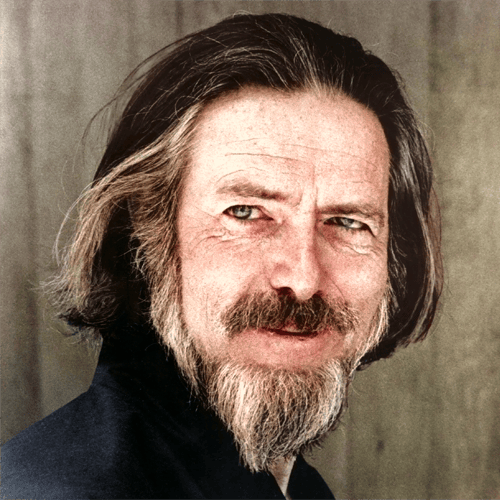
Alan Watts
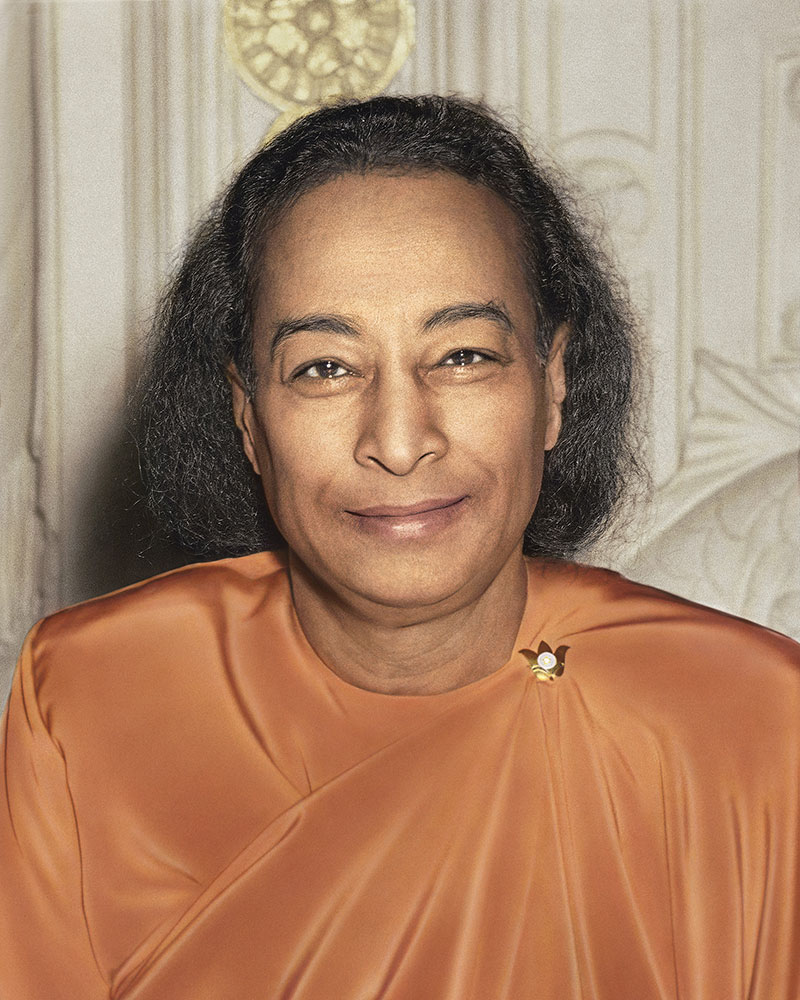
Yogananda
Neale Donald Walsch
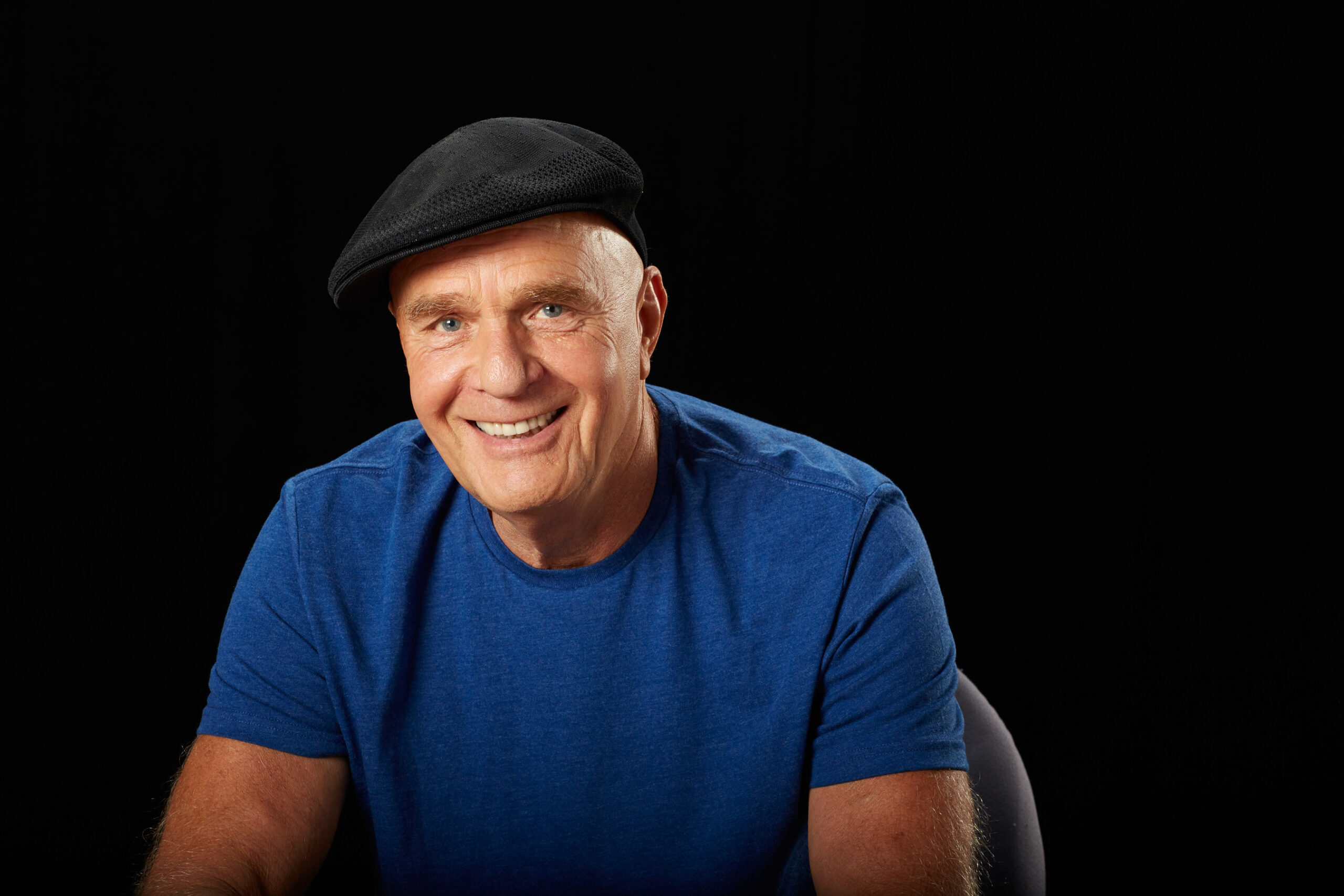
Wayne Dyer
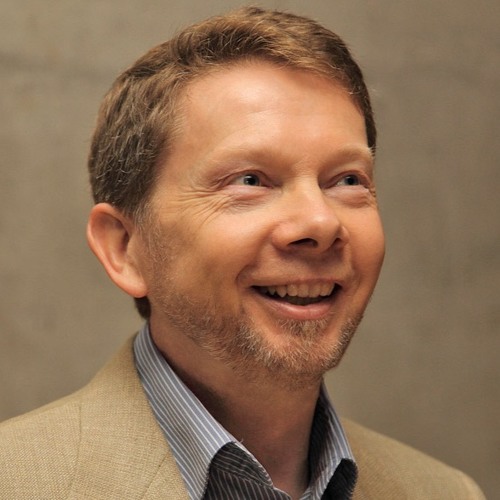
Eckhart Tolle
I have a question
Each day, you will receive carefully structured content directly to your email, guiding you step by step — from the very basics to deeper, more advanced concepts.
Daily content will include insightful articles, selected YouTube videos, recommended books worth your time, reflection exercises and questions designed to trigger deep inner awareness
You don’t need any prior spiritual experience. You will be gently guided, not overwhelmed.
In addition, I will work with you every day through energy therapy. You can find out more about energy healing here: <click here>
I neither deny nor recommend any particular religion. However, we will talk about many religions, beliefs, and philosophies, because Christianity, Hinduism, Buddhism, and Shamanism all contain a wealth of knowledge that is worth drawing on. Remember that spiritual development is actually your own individual religion that you create.
Also energy healing itself is not contrary to any religion, and you can read about it in one of our articles.
No, there will be nothing here about UFOs, psychoactive substances, or any other magic tricks that will make you enlightened like Buddha in a single day.
First of all, you will feel calmer, with greater clarity of mind and a greater sense of being here and now. This is the foundation on which you will build. It is not spectacular. Don’t expect to activate kundalini in a month, experience enlightenment, Nirvana, and start being clairvoyant. It is possible, but don’t expect it.
However, it is possible that emotions, traumas, or memories that you have kept inside for years will surface. This is part of the healing process. It is worth being more attentive – what am I dreaming about? Are strange memories suddenly coming back to me? Am I remembering people I haven't thought about or seen in a long time? Do I suddenly feel like doing something unusual? All of this may be significant – maybe it's time to forgive someone, accept something, apologize to someone, or do something? Perhaps you need this in order to heal.
There is an extensive article about this, which explains what energy therapy is and how it all works.
No. I don’t work with any companies, therapists, coaches or brands, and I don’t advertise any medical products.
I love this question. Please send me an email to info@soulscaregiver.com
Personal development focuses on improving the structure of your life — becoming more productive, confident, emotionally intelligent, or successful. It refines the personality, helping you function more effectively in the world. Spiritual growth begins when you realize that even a highly optimized life can still feel incomplete. Instead of asking how to improve yourself, you begin asking who the “self” actually is. This shift changes everything. You move from shaping identity to observing it, from building an image to discovering essence.
In spiritual traditions such as Buddhism or Advaita Vedanta, the personality is seen almost like clothing worn by consciousness. Personal development adjusts the clothing; spiritual growth asks who is wearing it. Both paths are valuable, and often one leads naturally into the other. When your external life becomes stable enough, a deeper curiosity emerges — not about achievement, but about truth. Spiritual growth does not reject personal development; it places it in a wider context, where fulfillment comes not from becoming more, but from realizing what has always been present beneath striving.
Stress and anxiety often arise from living mentally in imagined futures or unresolved pasts. The mind constantly anticipates, compares, and protects, believing its tension is necessary for survival. Spiritual growth gently reveals that much of this tension is learned rather than required. Through awareness practices — meditation, breathwork, mindful movement, or contemplative reflection — you begin to notice thoughts instead of automatically believing them.
As this witnessing capacity grows, a subtle space appears between you and your mental narratives. Situations may remain challenging, but your inner response changes. You discover that peace is not the absence of difficulty; it is the absence of inner resistance. Many spiritual teachers describe this as returning to presence — the only place where life is actually happening. Over time, your nervous system learns safety not from controlling circumstances but from resting in awareness itself. Anxiety loses its dominance because you no longer treat every thought as reality.
Most people search for meaning as if it were an object hidden somewhere in the future. Spiritual growth turns this search inward. Meaning begins to arise when your actions reflect your authentic experience rather than social conditioning. Instead of chasing externally defined milestones, you start listening to subtler signals — curiosity, resonance, inner aliveness.
In Hindu philosophy, this alignment is called dharma, not as a rigid destiny but as a natural expression of your being. When you become more present, you notice what energizes you and what drains you. Meaning stops being abstract and becomes experiential. Even simple moments — conversation, creativity, silence, helping another person — begin to feel purposeful. Spiritual growth does not necessarily change what you do; it changes how consciously you do it. Meaning reveals itself when you are fully participating in life rather than evaluating it from a distance.
Yes, because spirituality is not opposed to rationality; it simply recognizes that reason has limits. The analytical mind excels at measurement, comparison, and prediction, yet it struggles with direct experience — love, beauty, presence, or awe. Spiritual growth invites you to include intuition and awareness alongside intellect, not instead of it.
Many seekers discover that skepticism can actually deepen spirituality when it remains open rather than defensive. You are not asked to believe blindly but to observe carefully. Meditation, mindfulness, and contemplative practices are experiments you conduct within your own consciousness. You become both scientist and subject. Rational thinking helps prevent illusion, while spiritual experience prevents life from becoming purely mechanical. When both cooperate, understanding becomes balanced — grounded yet expansive.
Esoteric traditions attempt to describe subtle dimensions of existence through symbols, archetypes, or energetic models. Spiritual growth, however, does not depend on adopting any particular symbolic system. You may explore energy healing, astrology, sacred geometry, or ritual practices, but these are languages pointing toward experience rather than the experience itself.
The danger appears when symbols replace awareness. True spirituality remains experiential and transformative. Whether you interpret reality through chakras, psychology, or neuroscience matters less than whether your awareness becomes clearer and your heart more open. Esoteric tools can be meaningful when used consciously — as mirrors rather than dogmas. The essence of spiritual growth lies not in believing unusual ideas, but in becoming deeply present to life as it unfolds.
Science investigates observable patterns; spirituality explores subjective experience. Rather than conflicting, they illuminate different dimensions of the same reality. Psychology helps you understand conditioning, trauma, and behavioral patterns. Spirituality asks who is aware of those patterns. Together they create a more complete understanding of human existence.
Modern research on mindfulness, compassion practices, and meditation increasingly confirms what contemplative traditions have taught for centuries: awareness changes the brain, emotional regulation improves, and empathy expands. Science describes how transformation happens; spirituality explores why it matters. When integrated, psychology offers healing of the personal story, while spirituality reveals the spacious awareness beyond the story itself.
Yes. Religion provides structure, rituals, and shared narratives, but spirituality begins with direct experience. You may feel awe in nature, deep stillness in silence, or connection during moments of presence without belonging to any organized tradition. Spirituality is less about belief and more about relationship — your relationship with existence, consciousness, and meaning.
Many people today walk an independent spiritual path, drawing wisdom from Buddhism, Hindu philosophy, mindfulness, or modern psychology. What matters is sincerity. Spirituality begins when you become curious about your inner life and recognize that identity extends beyond roles, achievements, or social labels.
Because life eventually confronts everyone with experiences that cannot be solved intellectually — loss, uncertainty, aging, or existential questioning. Spiritual growth provides tools for meeting these moments with awareness rather than fear. It transforms life from something happening to you into something unfolding through you.
Curiosity about spirituality often begins subtly — a sense that there must be more depth available in ordinary experience. Following this curiosity expands perception. Colors seem richer, relationships more authentic, and silence less uncomfortable. Spiritual growth invites you to experience life directly rather than through constant mental commentary.
At first, you may seek relief from suffering or emotional clarity. Later, your goals evolve toward authenticity, compassion, and inner freedom. Eventually, many traditions describe the deepest aim as awakening — recognizing the unity between observer and experience.
This does not remove individuality but softens rigid identification with it. You begin living less from fear and more from presence. Goals gradually dissolve into qualities of being: clarity instead of confusion, openness instead of defensiveness, participation instead of control.
A course can create supportive conditions — practices, perspectives, and guidance that help quiet mental noise. Awakening itself, however, is not something delivered externally. It arises when insight becomes lived reality rather than intellectual understanding.
Think of the course as preparing soil. It cannot force a seed to grow, but it can create the environment where growth becomes natural. Through reflection, meditation, and awareness exercises, you may begin noticing shifts in perception that open the door to deeper realization.
Enlightenment is not a product or achievement. It is not earned through effort alone nor granted by authority. What a course can do is remove misunderstandings that obscure clarity. It may help you see how the mind creates separation and suffering.
If enlightenment occurs, it often feels surprisingly ordinary — a recognition of simplicity rather than a dramatic transformation. You realize that what you were seeking was never absent. The course serves as guidance, but the realization belongs entirely to your own awareness.
Awakening rarely matches the dramatic images people imagine. Instead, you may notice quieter shifts: thoughts lose their absolute authority, emotional reactions soften, and moments of presence become more frequent. You feel less compelled to defend an identity and more comfortable with uncertainty.
There is often a sense of spaciousness — as if life flows through you rather than pressing against you. Compassion arises naturally, not as moral effort but as understanding. Awakening is less about gaining extraordinary experiences and more about relating differently to ordinary ones.
Meditation is one of the most direct ways to cultivate awareness because it reveals how the mind functions. Yet meditation is ultimately about attention, not technique. You can meditate while walking, listening deeply, creating art, or breathing consciously.
Formal meditation simply trains you to recognize awareness more clearly. Over time, the boundary between meditation and daily life dissolves. Washing dishes, speaking with someone, or sitting quietly can all become expressions of presence when done consciously.
Spiritual growth creates inner space where painful memories can be witnessed without overwhelming identification. Practices rooted in compassion and mindfulness allow emotions to move rather than remain frozen. You begin relating to your past with understanding instead of avoidance.
However, spirituality works best alongside psychological healing. Therapy helps integrate experiences on a personal level, while spiritual awareness helps you recognize that your identity is larger than any wound. Together they support both healing and transcendence — honoring your story without being confined by it.
Transformation often happens organically. As awareness deepens, certain habits or beliefs may no longer resonate. You may feel drawn toward simplicity, authenticity, or healthier relationships. These changes rarely feel forced; they emerge naturally as clarity increases.
Spiritual growth does not demand renouncing the world. Instead, it invites you to participate more consciously in it. Your external life may look similar, yet your inner relationship with it becomes profoundly different.
Spiritual growth does not follow linear time. There are periods of rapid insight and periods of apparent stillness. Both are part of the process. Awakening is less like reaching a destination and more like waking up repeatedly at deeper levels throughout life.
Each realization reveals new layers of understanding. The path continues as long as curiosity and awareness remain alive. Rather than asking when it will end, you begin appreciating the unfolding itself.
The course itself lasts 28 days.
A teacher can offer perspective, encouragement, and clarity, especially when you encounter confusion or doubt. Throughout history, guides have helped seekers recognize blind spots. Yet authentic teachers do not create dependence; they help you trust your own awareness.
Ultimately, the deepest teacher is life itself — every relationship, challenge, and moment of presence. External guidance can illuminate the path, but walking it remains your own experience.
Spiritual growth does not eliminate human emotions. Sadness, anger, and grief remain part of life. What changes is your relationship with them. Instead of resisting emotions, you allow them to arise and pass without defining your identity.
This creates a deeper form of peace — not constant happiness, but inner stability. You discover that awareness can hold both joy and sorrow simultaneously. Emotional life becomes richer, not flatter.
Yes, though not by giving you a fixed role or mission. Spiritual growth clarifies perception so that your actions naturally align with what feels meaningful. Purpose stops being something you chase intellectually and becomes something expressed through how you live each day.
As presence deepens, decisions arise from clarity rather than fear. You begin sensing that purpose is not a distant destination but a way of being — expressed in attention, compassion, creativity, and authenticity. Life itself becomes the path, and you realize you were never separate from it.