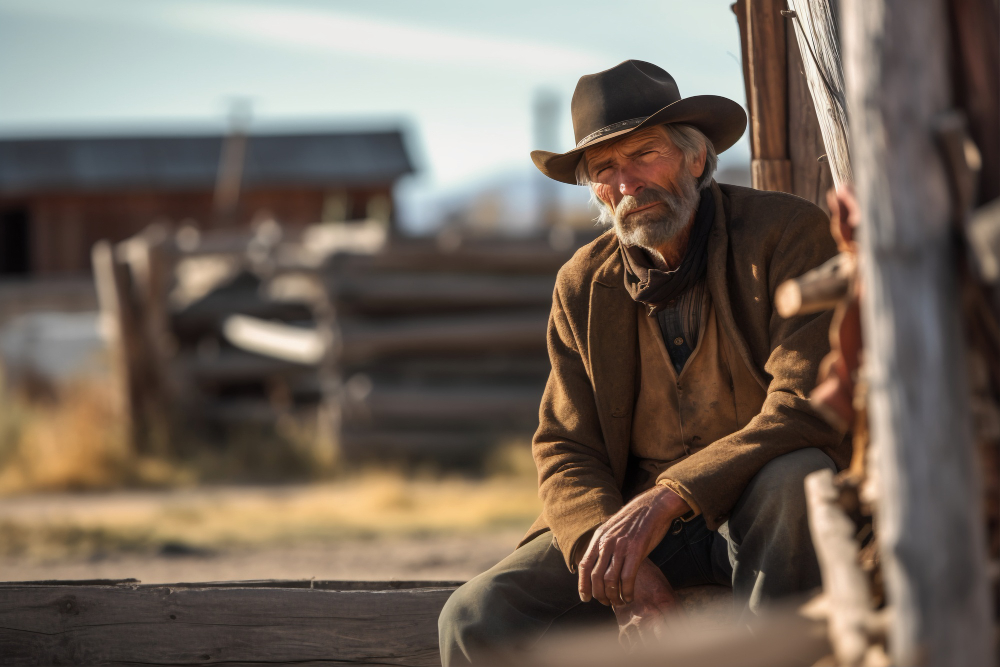

Let me tell you a story.
A man and his son lived in a beautiful valley. They were very happy, but also poor, and the man got tired of living in poverty. He decided to become an entrepreneur and get rich by breeding horses. He borrowed money from his neighbors and bought a stallion. He kept it in a paddock, and on the same day he bought it, the stallion kicked the top bar and ran away. His neighbors began to feel sorry for him. “You were going to be a rich man,” they said. “But now your stallion has run away, and you still owe us money. How sad.” The man shrugged and said, “Good thing, bad thing, who knows?”
The stallion had joined a group of wild horses, and the man spotted them in a nearby valley. He managed to lure them into his paddock, which he had repaired. So he not only got his stallion back, but also a dozen other horses. This made him a rich man by the standards of the village. His neighbors gathered around him again, and there was a hint of envy in their congratulations. “We thought you were destitute, but fortune has smiled on you,” they said. “You are now a rich man.” The man shrugged and said, “Good thing, bad thing, who knows?”
The man and his son began to tame the horses so they could sell them. One of the horses threw the man’s son and hit him in the leg. The leg was broken. The neighbors came again. “He was such a good young man,” they said. “Now you are alone and have no one to help you.” The man shrugged and said, “Good, bad, who knows?”
That same summer, the king of that country declared war on a neighboring country, and the army moved through the villages, gathering all young men fit for service to fight. They spared the man’s son because he had a bad leg. The neighbors lamented with tears in their eyes, “We don’t know if we’ll ever see our sons again. You’re lucky your son is still with you.” The man shrugged and said, “Good thing, bad thing, who knows?”
And so it goes on and on.
The story that teaches you to loosen your grip on judgment
You may think you know what is happening in your life. You label events as victories or failures, blessings or disasters, progress or regression. Yet the old Zen story of the farmer and his horse quietly invites you to suspend that certainty. It reminds you that the meaning of any event is rarely fixed in the moment. What looks like misfortune can become grace. What appears to be a gift can later reveal a hidden cost. The refrain, “Good thing, bad thing, who knows?” is not a dismissal of reality, but an invitation to humility before the unfolding of time.
When you sit with this story, you begin to see how quickly the mind rushes to verdicts. You notice how much emotional energy you spend defending your interpretations of events. The farmer’s calm response is not indifference. It is wisdom rooted in patience, perspective, and a refusal to let fleeting appearances dictate his inner state.
How your mind traps you in premature conclusions
Your mind loves closure. It craves certainty and clear narratives. When something unexpected happens, it scrambles to categorize it so you can feel in control. This reflex is understandable, but it can also imprison you. When you decide too quickly that something is “bad,” you suffer twice: once from the event itself and again from the story you tell yourself about it.
The farmer’s response gently interrupts this habit. By saying “who knows,” he creates space between the event and his emotional reaction. In that space, you have room to breathe, to observe, and to avoid being pulled into panic or euphoria. You learn to let life reveal its deeper patterns over time rather than forcing instant meaning onto every experience.
Emotional mastery through non-attachment
Non-attachment does not mean you stop caring. It means you stop clinging to a single interpretation of how things must unfold. When you hold outcomes loosely, you become more resilient. You can celebrate success without arrogance and meet setbacks without despair.
This practice strengthens emotional maturity. You stop riding the emotional rollercoaster of constant judgment. Instead, you cultivate steadiness. You begin to respond to life rather than reacting to it. The farmer’s composure models this steadiness, showing you that peace often comes not from controlling events, but from controlling how tightly you hold your opinions about them.
The long arc of meaning in your life
Many of the most important moments in your life likely did not reveal their true value immediately. A rejection may have redirected you to a better path. A painful ending may have opened space for deeper authenticity. A success may have carried lessons that only became clear later.
The Zen story teaches you to respect the long arc of meaning. It suggests that life is not a series of isolated incidents, but a continuous unfolding. When you honor this larger view, you become less reactive and more trusting. You learn to see your life as a story still being written, rather than a verdict already delivered.
Srikumar Rao and the practice of reframing reality
Srikumar Rao speaks often about questioning the stories you tell yourself. He encourages you to examine the mental narratives that shape your emotions and decisions. The farmer’s mindset aligns beautifully with this teaching. Both point to the same insight: your suffering often comes not from events themselves, but from the meaning you assign to them.
When you practice reframing, you give yourself freedom. You realize that an event does not have a single, permanent label. You can choose a more empowering interpretation, or you can choose to remain open and undecided until clarity emerges. This flexibility becomes a powerful spiritual and psychological tool.
Living the wisdom of “Who knows?”
To live this teaching, you do not need to withdraw from life or become passive. Instead, you bring a quiet openness into your daily experiences. When something unexpected happens, you pause before labeling it. You notice your impulse to judge, and you let that impulse soften.
Over time, this practice reshapes how you move through the world. You become less rigid, less anxious, and more curious. You trust that meaning will reveal itself when it is ready. And in that trust, you find a deeper peace.
The story of the farmer does not promise certainty. It offers something more valuable: the freedom to live without being enslaved by your own conclusions. When you embrace “Good thing, bad thing, who knows?” you step into a wiser, calmer, and more expansive way of seeing your life.