
Reiki and Christianity – different paths, same Source
In recent years, the question has often been raised: Is Reiki compatible with Christianity? For some, Reiki is seen as a foreign or even suspicious practice, rooted in a different cultural tradition. For others, it is a deeply spiritual method that harmonizes perfectly with their Christian faith. The key to this discussion lies in understanding what Reiki truly is – and what it is not.
Reiki as a cultural expression of the Divine
Reiki healing originated in Japan, and its language, symbols, and methods naturally reflect Japanese culture and spiritual thought. Yet at its core, Reiki is not a religion, nor does it demand that one abandon their own beliefs. It is a way of perceiving and connecting with the universal life energy – a divine force that permeates all creation.
For Christians, this “life energy” can be understood simply as the power of God, the Creator of heaven and earth. For Buddhists, it may be the Dharma or enlightened awareness. For those of other faiths, it may carry yet another name. But beneath these different words, many spiritual traditions point to the same Source – an infinite, loving, creative presence that sustains life itself.
The laying on of hands in Christianity
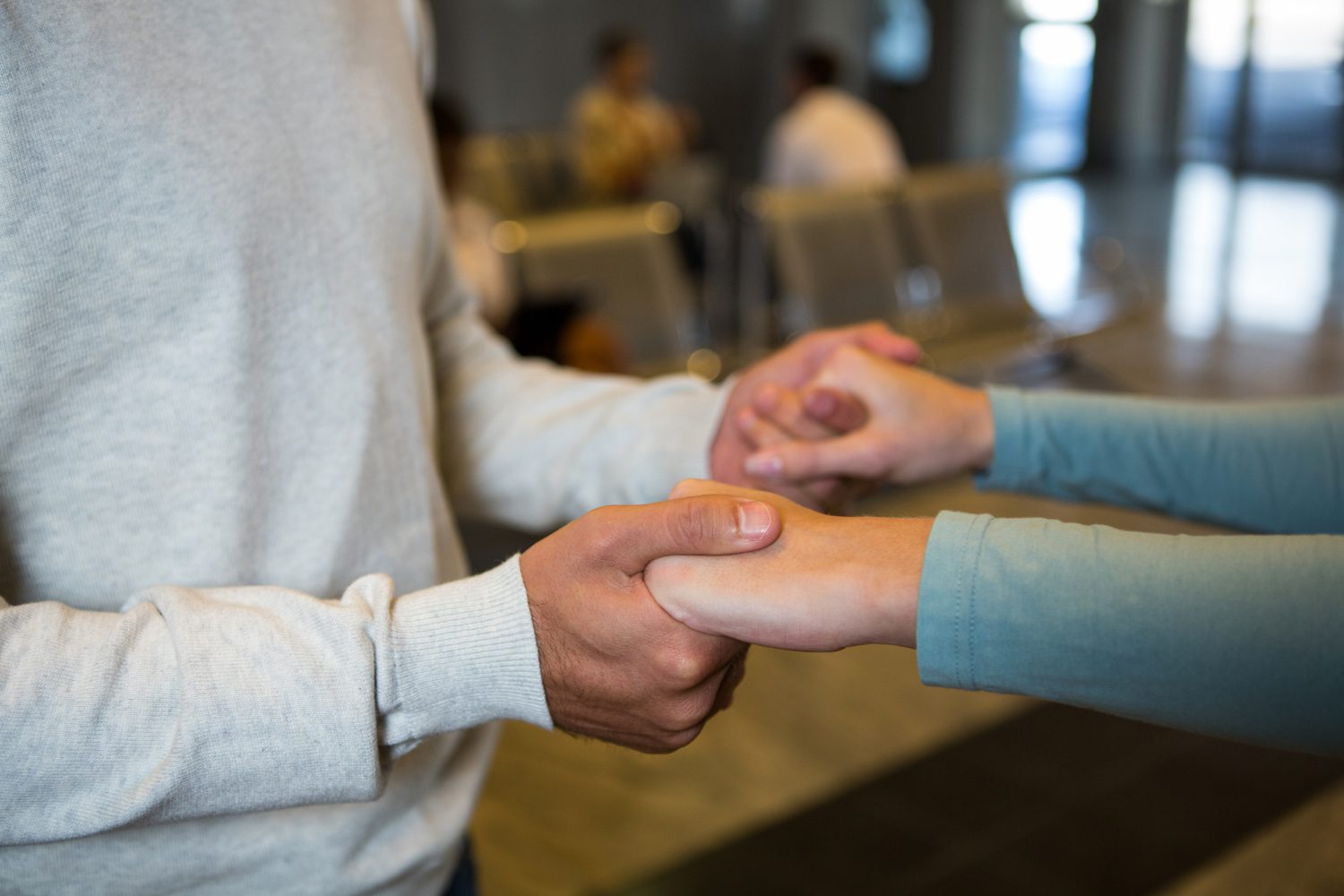
One of the most striking parallels between Reiki and Christianity is the practice of laying on of hands. In the Gospels, Jesus healed the sick through touch, and the Apostles continued this practice, blessing and restoring health in His name. Reiki healing through gentle touch is a similar gesture – not an act of personal power, but a channeling of divine love and compassion.
Reiki practitioners do not claim to be the source of healing themselves. Instead, they act as conduits, opening themselves to God’s limitless energy and allowing it to flow to those in need. This intention to serve as a vessel for divine grace mirrors the Christian understanding that all healing ultimately comes from God.
Inviting Angels and Archangels into Reiki practice
Many Reiki practitioners who identify as Christian incorporate prayer and the presence of heavenly beings into their sessions. Angels and Archangels – such as Michael, Raphael, and Gabriel – are seen as messengers and protectors, assisting in the work of spiritual and physical restoration. In this way, Reiki can be enriched by Christian devotion, transforming a session into an act of faith and communion with the heavenly realm.
Official data from international Reiki organizations already indicate that there are over a million people practicing this method, many of whom also offer remote Reiki healing, which in itself can be compared to Christian prayer from the comfort of one’s home, rather than necessarily from church pews.
The history of Reiki in Poland
In Poland, in a country that has long been strongly identified with the Christian faith, Reiki began to gain wider recognition in the 1990s, largely thanks to an unexpected figure – a Christian nun named Sister Mariusza. Deeply devoted to her faith and committed to helping those in need, Sister Mariusza encountered Reiki at a time when spiritual healing methods were little known in the country. Rather than viewing it as a foreign or incompatible practice, she recognized in Reiki the same spirit of compassion and divine love that she found in the Gospels.
Sister Mariusza began sharing Reiki with the people she served – often the sick, the elderly, and those in emotional distress. Her approach was rooted in prayer, always calling upon God’s presence before and during the healing process. Many of her sessions included invoking the aid of Angels and Archangels, especially Archangel Raphael, traditionally known in Christian tradition as the angel of healing.
Her testimony and example inspired both laypeople and clergy to explore Reiki as a form of God’s work in the world. Workshops and meetings began to appear in various Polish cities, often organized by people who had learned directly from her or from those she trained. In this way, Reiki in Poland developed not as an “imported” spiritual trend divorced from local culture, but as a practice naturally integrated into Christian devotion. Even today, many Polish Reiki practitioners trace their lineage back to Sister Mariusza’s pioneering work, remembering her as someone who built a bridge between East and West, and between a universal healing art and the heart of Christian faith.
How Reiki can help
Reiki is often used to support physical, emotional, mental, and spiritual well-being. Many recipients report deep relaxation, stress relief, and a sense of inner peace. On a physical level, Reiki may help ease pain, accelerate natural healing processes, and support the immune system. Emotionally, it can bring clarity, release tension, and help one cope with grief or anxiety. Spiritually, Reiki sessions can foster a deeper connection with God, strengthen prayer life, and open the heart to love and compassion – making it a holistic approach to well-being.
Not opposition, but harmony
To say that Reiki is “against” Christianity is to overlook the deeper truth – that the language may differ, but the essence is the same. Whether one speaks of Universal Life Energy or the Holy Spirit, the heart of the practice is the recognition of a loving Creator and the willingness to be a channel of that love for the good of others. In this light, Reiki can be seen not as a competing belief system, but as a universal spiritual art – an additional way of embracing God’s presence and participating in His work of healing and restoration.