
Unlocking Love: Healing Your Heart Chakra
Ever feel like your heart is behind a wall? You want to connect, but an old hurt keeps you guarded. This feeling of being emotionally stuck is incredibly common, and there’s a framework from ancient wellness traditions that gives us a name for it and a way to work with it: a blocked heart chakra. You don’t need any special knowledge to explore this idea – only a desire to feel more open and free.
Think of the heart chakra as your body’s emotional center for love, compassion, and connection, located right in your chest. When it’s out of balance, it can manifest as feelings we all know too well: holding onto resentment, struggling to trust others, or being overly critical of yourself. It’s not a personal failing; it’s just a sign that your hub for connection needs some gentle attention to get flowing freely again.
This guide offers practical, gentle methods for healing the heart chakra. We’ll explore simple breathing exercises, affirmations, and other accessible tools designed for spiritual heart healing. This is your starting point for opening your heart chakra as a beginner, a path back to feeling more connected, compassionate, and at peace with yourself and the world.
What Is the Heart Chakra? Your Body’s Center for Love and Connection
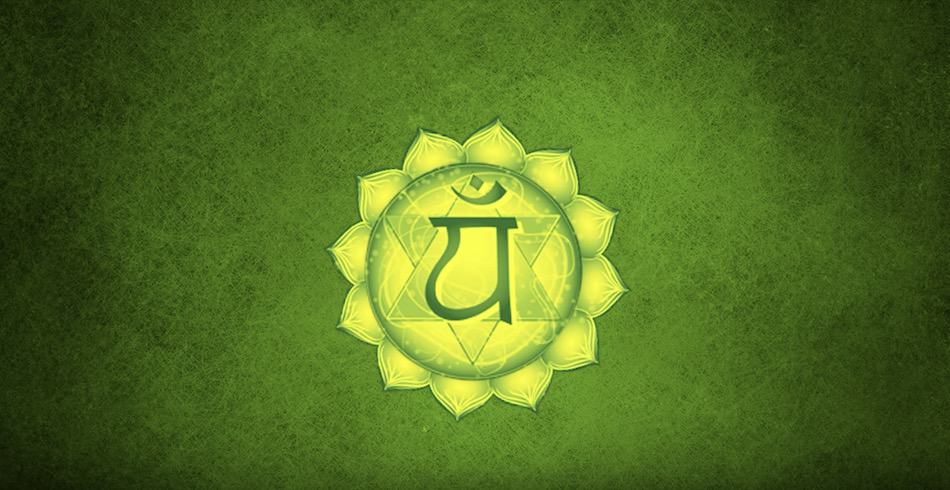
Right in the center of your chest lies the heart chakra, your body’s hub for love, compassion, and connection. This isn’t just about romantic love; it governs your ability to feel empathy for others, practice self-acceptance, and build meaningful relationships. In ancient wellness traditions, this fourth chakra is called the Anahata chakra, which beautifully translates to “unhurt.” This name points to the resilient, peaceful core of love that exists within you, a place that can remain whole even after experiencing pain.
So, what happens when your heart chakra opens and finds its balance? Life simply feels warmer and more connected. You can give and receive love freely, without fear. The benefits of a balanced fourth chakra show up as a sense of emotional generosity, where you can forgive easily and feel genuine joy for others. It’s a state of inner peace and effortless connection. But when this flow is disrupted, it can feel like a wall has gone up.
Does This Sound Familiar? Signs of a Blocked Heart Chakra
When that flow of connection gets disrupted, it can manifest in ways that feel deeply personal and often painful. Recognizing these feelings isn’t about judging yourself; it’s like noticing a check-engine light for your emotional well-being. These are simply signals that your heart’s energy center needs a little gentle attention.
Most commonly, people experience a “blocked” or underactive heart chakra. Think of it as an emotional dimmer switch turned way down. Does any of this resonate with you? These are common signs of a blocked Anahata chakra:
- Holding onto old grudges or resentments
- Feeling isolated or lonely, even when you’re with others
- Being overly critical of yourself and those around you
- Fearing intimacy or feeling emotionally walled-off
- Struggling with jealousy or possessiveness in relationships
But can a heart chakra be overactive? Absolutely. An imbalance can also swing the other way. An overactive heart chakra is like a house with no doors – you give so much of your energy away that you lose yourself. This can look like codependency, a lack of personal boundaries, or putting everyone else’s needs so far ahead of your own that you feel drained and resentful.
Whether you feel closed off or too exposed, these are simply signs that your center of compassion is out of alignment. The wonderful news is that you don’t have to stay stuck. Recognizing these symptoms is the first and most powerful step toward healing your heart chakra.
The Simplest Way to Start: A 3-Minute Breathing Exercise for Compassion
Your breath is the most direct tool you have for influencing the energy in your body. Because the heart chakra is physically located in your chest, every inhale and exhale directly interacts with this space. Think of your breath as a gentle way to create more room in your heart – space to let go of tightness and allow for softer feelings. Many effective heart chakra exercises begin with this simple foundation, as it calms your nervous system and prepares you for deeper healing.
Ready to try? Find a comfortable seat and place a hand over the center of your chest. Close your eyes if that feels good. Take a slow, deep breath in, imagining the air expanding into the space beneath your hand. Feel your chest gently rise. Then, as you exhale, imagine a sense of softening or letting go. That’s it. Continue this for just a few minutes, focusing only on the feeling of your breath creating a little more openness in your chest.
This simple practice is a powerful heart chakra meditation you can do anywhere. You might notice an immediate sense of calm or a feeling of lightness in your chest. It’s a way to hit the reset button when you feel overwhelmed, resentful, or closed off. With this calm and open space created by your breath, you can now focus on the words you tell yourself.
Rewire Your Inner Critic: Affirmations That Actually Work for Self-Love
That internal voice that criticizes or doubts you? It got strong through sheer repetition. Affirmations work the same way, but in your favor. Think of them not as wishful thinking, but as a practical tool to interrupt negative thought patterns. Each time you choose a new, compassionate thought, you’re carving a new mental pathway, intentionally telling your nervous system what’s true now, rather than letting old, painful programming run the show.
The most effective heart chakra affirmations for love are the ones you can actually believe. They should feel like a gentle stretch, not a fantasy. Instead of forcing yourself to say “I am perfect,” try one of these more grounded intentions for healing the heart chakra:
- I am worthy of the love I so freely give to others.
- It is safe for me to be open and connected.
- I release old stories and welcome peace into my heart.
- My heart is resilient and capable of healing.
To make this practice stick, combine it with the breathing exercise from before. After a few deep breaths with your hand on your chest, silently repeat one of these phrases on your exhale. Feel the words settle into that open space you’ve created. Using these affirmations consistently helps shift your emotional baseline from self-criticism to self-compassion. Just as you can realign your mindset with words, you can also create openness in your body through gentle movement.
Open Your Heart Physically: 3 Gentle Yoga Poses Anyone Can Do
Your body often reflects your emotional state without you even realizing it. Think about how we instinctively hunch forward when we feel sad, defensive, or heartbroken – we’re physically guarding our heart. By intentionally creating openness in the body, we can send a powerful signal to our mind that it’s safe to be vulnerable and receptive. These simple yoga poses to unblock the heart are a wonderful way to begin.
Start on your hands and knees for a few rounds of Cat-Cow. As you inhale, drop your belly, lift your gaze, and gently arch your back, feeling a stretch across your chest. As you exhale, round your spine and tuck your chin. This simple movement connects breath to a gentle opening and closing of the heart space. Afterwards, come to a standing position and try a Standing Chest Opener by clasping your hands behind your lower back, rolling your shoulders back, and lifting your arms slightly.
For a deeper release, try a Supported Fish Pose, one of the most effective Anahata chakra balancing techniques. Simply lie back over a rolled-up blanket or towel placed beneath your shoulder blades. Let your arms fall open to the sides, palms up, and allow your chest to gently expand with every breath. You can stay here for a few minutes, simply feeling the physical sensation of your heart center softening and opening.
These yoga poses for the heart chakra aren’t about achieving a perfect shape, but about releasing the physical armor we all carry. Even five minutes can help melt away tension and create space for compassion. Just as you can use your body as a tool, you can also use physical objects to focus your healing intentions.
Using Crystals as Tools for Intention: Rose Quartz vs. Green Aventurine
Beyond physical postures, simple objects can serve as powerful anchors for your emotional goals. Think of a crystal not as a magical item, but as a physical reminder – a tool to help you focus your intention. When you hold it, you’re giving your mind a tangible point of concentration for the feelings you want to cultivate. For the heart center, two stones are particularly helpful: the soft, gentle Rose Quartz and the vibrant Green Aventurine, both considered excellent crystals to use in healing the heart chakra.
The key difference lies in their focus. Think of Rose Quartz as a warm, comforting hug in stone form. It’s the go-to for deep emotional healing, fostering self-love, and soothing old wounds. If you’re working on self-compassion or softening feelings of grief, Rose Quartz is your ally. In contrast, Green Aventurine is about growth and forward momentum. It helps open your heart to new opportunities, encourages optimism, and invites a sense of abundance and luck into your life. It’s less about healing the past and more about building a hopeful future.
You don’t need an elaborate ritual to work with them. Simply choose the stone that resonates with your current needs. During a quiet moment, hold it in your palm, close your eyes, and take a few deep breaths. Focus on what you want to invite in: the gentle self-acceptance of Rose Quartz or the hopeful openness of Green Aventurine. This simple act connects your intention to a physical sensation, making it more real. Just as these stones can ground your practice, what you consume can also nourish your emotional well-being from the inside out.

Nourishing Your Heart: Foods and Scents That Support Balance
Just as physical objects can anchor our intentions, the things we consume can also shift our emotional state. This isn’t about a strict diet, but about mindful choices. The heart chakra is associated with the color green – a symbol of life, renewal, and nature. By consciously incorporating this color and certain soothing scents into your routine, you offer your body simple sensory cues that encourage openness and calm.
Consider these simple emotional healing practices to nurture your heart center from the inside out. These foods and scents are easy to find and can be powerful allies.
- Supportive Foods: Think vibrant and green. These are foods that support the fourth chakra by nourishing your physical body. Try adding spinach or kale to a smoothie, enjoying fresh avocado on toast, or sipping on green tea. Broccoli and leafy greens are also wonderful choices.
- Soothing Scents: Aromatherapy is a direct path to our emotional brain. For heart chakra essential oil blends, focus on soft florals and bright citrus. Rose and Geranium are known for their comforting, love-attracting qualities, while Bergamot can help lift feelings of sadness.
Integrating these elements doesn’t need to be complicated. Add a few drops of rose or bergamot oil to a diffuser while you work, or simply inhale the scent from the bottle for a moment of peace. Each of these small, deliberate acts – from the food on your plate to the scent in the air – contributes to a larger practice of self-care.
Putting It All Together: Your Gentle Path to an Open Heart
Where you once might have felt stuck behind an emotional wall, you now have a language for that feeling and a toolkit for spiritual heart healing. You see that this energy center isn’t something to be “fixed,” but a part of you to be nurtured. This isn’t about adding another demanding task to your day, but about creating a gentle menu of care you can choose from whenever you need it.
Creating a daily practice for heart chakra healing is about consistency, not intensity. You might start your morning with just a few deep breaths, focusing on your chest. Throughout the day, choose one compassionate thought to return to when you feel stressed. In the evening, simply trying one gentle stretch can be enough. This isn’t a checklist to perfect, but a menu of options to support you.
Remember that these Anahata chakra balancing techniques are, at their core, acts of kindness toward yourself. A gradual, compassionate return to connection is more powerful than any grand gesture. Opening your heart is a journey back to who you already are. Be patient, be kind, and trust the process.